
CBD Addiction: Is Cannabidiol CBD Addictive?
-
Paco
- Posted on
- 0 comments
If you think CBD isn’t the right choice for you, you most likely won’t encounter any significant adverse effects by stopping use. One review noted that CBD has the potential to reduce inflammation and seizures, help with pain, and reduce the likelihood of developing tumors. CBD may have a variety of health benefits, and its potential is powerful.3 Understanding the various benefits of CBD can help you decide if it’s the right choice Substance abuse for you. If you’re purchasing CBD in a licensed dispensary in a state with medical or recreational cannabis laws, there’s a good chance the CBD product will contain higher levels of THC. However, federally-legal CBD products sold in all states at smoke shops and wellness stores should not contain more than 0.3% THC, and will not cause intoxication.
Epilepsy patients should never replace conventional treatment unless directed by a specialist. For example, a 2007 study in the British Journal of Pharmacology discovered that CBD is an effective anti-inflammatory and analgesic against chronic pain in rodent subjects. Leafy Mate can assist you with getting a medical card, connect you with providers in your area, and find the best deals on high-quality CBD products. CBD-rich strains can be used as preventative medicine and can help with stress, nausea, joint pain, cardiovascular disease, inflammation, arthritis, anxiety, depression, moodiness, and general pain relief. CBD is typically well-tolerated by the human body, although it can cause adverse effects like dry mouth, diarrhea, reduced appetite, and drowsiness.
However, it is important to consult with a healthcare professional before starting any new supplement or treatment. CBD is considered safe for most people when a reputable product is used as directed. Some people experience mild side effects like dry mouth, dizziness, or changes in appetite. It’s advisable to consult with a healthcare professional before using CBD, especially if you have underlying medical conditions or are taking other medications. We’re just beginning to learn the many ways CBD and other cannabinoids work together to alter the way we feel. While CBD is relatively safe with few side effects, it’s important to research before trying new products.
Impact on Brain Reward Circuit
People use CBD to manage their daily stresses by reducing anxiety, but reports from CBD users and preclinical studies suggest that CBD oil has remarkable medicinal potential. Researchers point to cannabidiol as the potential anti-inflammatory, neuroprotectant, antioxidant, and seizure suppressant. Research also suggests that CBD may be helpful for alleviating symptoms of anxiety. For example, one study found that cannabidiol was useful for reducing symptoms of generalized anxiety disorder (GAD), panic disorder, post-traumatic stress disorder (PTSD), and social anxiety disorder. Before turning to CBD use, you should steer clear of CBD products that claim to cure, treat, or mitigate any health condition and speak to your doctor for professional medical advice. While most major cannabinoids like THC and CBG bind to cannabinoid receptors (CB1 and CB2), which are found throughout the body and deliver signals for the brain to interpret.
How CBD Differs from THC and Other Cannabinoids
Regular CBD use, on the other hand, may create tolerance, needing a greater CBD dose to achieve the same degree of effects. Stopping CBD use hasn’t been linked to withdrawal symptoms, therefore there doesn’t appear to be a link between CBD and alterations in the brain’s reward regions. Withdrawal symptoms typically occur when someone stops using a substance their body has become dependent on, such as certain drugs or alcohol. Since CBD is not believed to be addictive, the likelihood of experiencing withdrawal symptoms when discontinuing its use is minimal.
- But recently the DEA reclassified CBD—specifically, the Food and Drug Administration (FDA) approved CBD with THC content below 0.1%—from a Schedule 1 drug to a Schedule 5 drug.
- Several preclinical studies have explored the potential of CBD in mitigating opioid addiction.
- About 56% of the sleep subjects reported improved sleep in their follow-up from the three-month study.
Can Cannabidiol Be Addictive?
CBD has been shown to be a safe compound in both animals and humans, which is of critical importance from a therapeutic point of view. Cannabidiol (CBD) is a non-intoxicating cannabinoid, or chemical compound, found in cannabis. Cannabidiol is the second-most abundant cannabinoid in the https://ecosoberhouse.com/ plant after tetrahydrocannabinol (THC). It has many potential therapeutic benefits, including anti-inflammatory, analgesic, anti-anxiety, and seizure-suppressant properties. This study employed an experimental medicine approach to investigate the effects of a single 800‐mg oral dose of CBD on nicotine withdrawal. Simultaneously, we observed a reduction in explicit pleasantness during abstinence, such that cigarette stimuli were rated as less pleasant after CBD than placebo.
Cannabidiol as an Intervention for Addictive Behaviors: A Systematic Review of the Evidence
With extensive experience in the field of addiction treatment, Francisco is dedicated to helping individuals access the resources they need for successful recovery. They were told to use the inhaler whenever they felt the urge to smoke, to assess daily cigarette and inhaler use, and to monitor their craving once daily for 1 week. The results showed a significant reduction in the number of cigarettes smoked (≈40%) in the CBD inhaler group during the week of treatment, with a trend indicating a reduction after follow-up. Both groups also showed a reduction in cravings between day 1 and day 7, though not between day 1 and follow-up. Overall, CBD was found to have an impact on the intoxication and relapse phase of opioid addiction.
Does CBD Get You High?
Notably, people undergoing regular drug testing should avoid products containing THC. Some of the existing research on CBD for pain is based on animal studies. For example, a 2018 study is cbd addictive on mice showed that CBD reduces inflammation by preventing the release of compounds that trigger inflammation in the body.
- It’s legal for CBD products to have up to 0.3% THC, but the CDC warns that mislabeled CBD products may contain higher doses of THC, which can increase the risk of side effects.
- Speaking with a doctor or mental health professional is always a good option if you’re not sure something is right for you, especially when it comes to CBD.
- Liposomal CBD improves the bioavailability of the cannabinoid by surrounding it with a substance that the body can more easily absorb.
Contents
Some CBD products come with certificates of analysis (COAs) that demonstrate they contain the amount of CBD stated on the packaging, and that they are free from contaminants. These rare forms of epilepsy involve seizures that are difficult to control with other types of medication. Pain relief is a common use for CBD products, especially topical ones such as CBD creams and lotions. The final sample included 30 participants who completed all three sessions. Anxiety was assessed with the State–Trait Anxiety Inventory (STAI) 47 and depression with the Beck Depression Inventory (BDI) 48.
Does CBD Really Help You Sleep? Here’s What Science Says

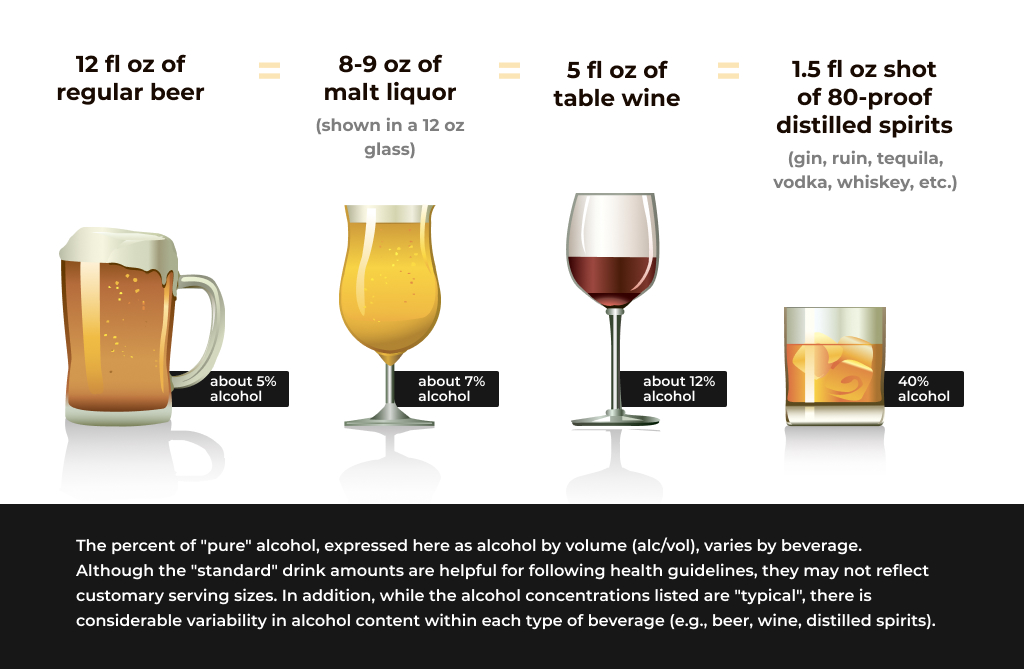
As with any supplement or medication, it’s essential to make informed decisions and seek professional guidance when considering CBD as a treatment option. It’s important to note that while CBD itself may not be addictive, products containing CBD may vary in quality and composition. It is crucial to choose reputable brands and consult with healthcare professionals before using CBD products, especially if you have a history of substance abuse. Alcohol addiction is another prevalent issue worldwide, with significant social and health consequences. While research on the effects of CBD on alcohol addiction is limited, some studies have shown promising results. One study found that CBD reduced alcohol craving and anxiety in individuals with alcohol use disorder.
Talk to your family about your options if you need help, and we can direct you to the right addiction treatment program. Since cannabis (CBD) was legalized in Canada in 2018, there has been increased interest in its variants, CBD and THC, for their perceived calming or soothing effect. However, it comes with potential side effects and risks users must know to make sound decisions.